



Solution Reframing
CompletedProblem
Problem PitchWe are working to solve the problem of scaling trusted, low-friction preventive screening across public-facing locations for hospitals and private clinics, who struggle with low follow-through, trust delays, and weak payback, because buyers now want earlier detection and easier access without adding staff.
Frames
Functional
Who
Hospital and clinic operators
From
Need to screen more people without adding friction
How Badly
4
Why Now
Patient volume and demand for early checks are rising
Workaround
Nurse-led vitals, referral to labs, or skipping screening
Hidden Pain
Screening is easy to postpone when it is not operationally simple
Opens
A repeatable front-door screening job
Closes
A one-off diagnostic sale
Total
29
StatementPeople like hospital and clinic operators struggle to offer quick preventive screening because staff time, equipment, and patient flow are limited, which causes missed screenings and slow throughput.
Emotional
Who
Patients, parents, and students
From
Need reassurance without a long clinic visit
How Badly
3
Why Now
Small health concerns are increasingly noticed through phones and search
Workaround
Ignore it, delay it, or ask a pharmacist or family member
Hidden Pain
Uncertainty is often more painful than the check itself
Opens
A reassurance-first screening job
Closes
A purely clinical workflow
Total
23
StatementPeople like patients and parents struggle to know whether they should worry about basic health signs because the process feels slow and uncertain, which causes anxiety and avoidance.
Economic
Who
Clinic buyers and host pharmacies
From
Need a clear return from foot traffic and screening volume
How Badly
4
Why Now
Capital is tight and buyers want faster payback
Workaround
Lease, delay purchase, or avoid the category
Hidden Pain
A weak business case kills adoption even when the need exists
Opens
A monetization and utilization problem
Closes
A pure device sale
Total
30
StatementPeople like clinic buyers and host pharmacies struggle to justify adding screening because the revenue is uncertain and the payback is not obvious, which causes stalled purchases and underused equipment.
Behavioral
Who
End users in public locations
From
Need a habit they can complete quickly in place
How Badly
4
Why Now
People are used to instant, on-demand services
Workaround
Wait until a later clinic visit or do nothing
Hidden Pain
The real barrier is follow-through, not awareness
Opens
A repeat-behavior problem
Closes
A single-event checkup
Total
29
StatementPeople like end users struggle to complete routine screening because the process requires effort, waiting, and a separate appointment, which causes low follow-through and low repeat use.
Social/Trust
Who
Institutional buyers and public-sector stakeholders
From
Need confidence in accuracy, privacy, and legitimacy
How Badly
4
Why Now
Health data scrutiny is increasing and buyers are more cautious
Workaround
Pilot longer, demand more paperwork, or buy from known vendors
Hidden Pain
Trust delays are often the real bottleneck, not product features
Opens
A credibility and legitimacy problem
Closes
A basic hardware rollout
Total
26
StatementPeople like schools, governments, and clinics struggle to trust screening results and data handling because health checks touch sensitive personal information, which causes hesitation and slow approvals.
System/Infrastructure
Who
Network operators and franchise hosts
From
Need distributed screening sites that stay active
How Badly
5
Why Now
Multi-site rollouts require repeatable operations, not one-off installs
Workaround
Manual field support, ad hoc placement, or small pilot networks
Hidden Pain
The system breaks when each site behaves differently
Opens
A distributed service infrastructure problem
Closes
A standalone device problem
Total
32
StatementPeople like operators in Egypt and Saudi Arabia struggle to scale screening across many locations because the service depends on local placement, maintenance, and discovery, which causes uneven coverage and operational drag.
Experience
Who
Patients and students
From
Need a short, clear, useful health interaction
How Badly
3
Why Now
Users compare every service to fast consumer apps
Workaround
Glance at results and leave
Hidden Pain
If the experience feels like a chore, people do not return
Opens
A guided health-check experience problem
Closes
A measurement-only product
Total
24
StatementPeople like patients and students struggle to feel that screening is worth doing because the experience is usually boring, slow, and disconnected from next steps, which causes low engagement and weak repeat use.
Classification
Type
complex
Complexity
4
Complexity Why
Flu-level recurring pain with shark-like procurement friction; the problem is operationally and institutionally complex.
Why
This is not just a device or software issue; it combines behavior change, buyer trust, site operations, and multi-stakeholder economics across healthcare, education, and government.
Solar
Core
Low-friction preventive screening that people actually complete and buyers can justify at scale
Sub Problems
Low patient follow-throughWeak buyer payback clarityTrust and approval delaysDistributed site operationsPoor repeat engagement
Adjacent
- Pharmacy foot-traffic monetization
- School health compliance
- Government population screening
- Local discovery and walk-in access
- Repeat health tracking
Root Causes
- Screening is inconvenient
- Value is not immediate
- Trust is hard to establish
- Operations are hard to standardize
- Discovery depends on location and habit
Customer Pains
Waiting and frictionUnclear results valueHard purchasing decisionsMaintenance burdenLow repeat usage
Workarounds
Ignore symptomsUse manual checksBuy from known incumbentsRun small pilotsDelay procurement
Constraints
Sensitive health dataAccuracy expectationsMulti-country operationsMixed buyer typesInstallation and maintenance
Stakeholders
PatientsHospitalsPrivate clinicsSchoolsGovernmentsPharmacies
Before After
Original
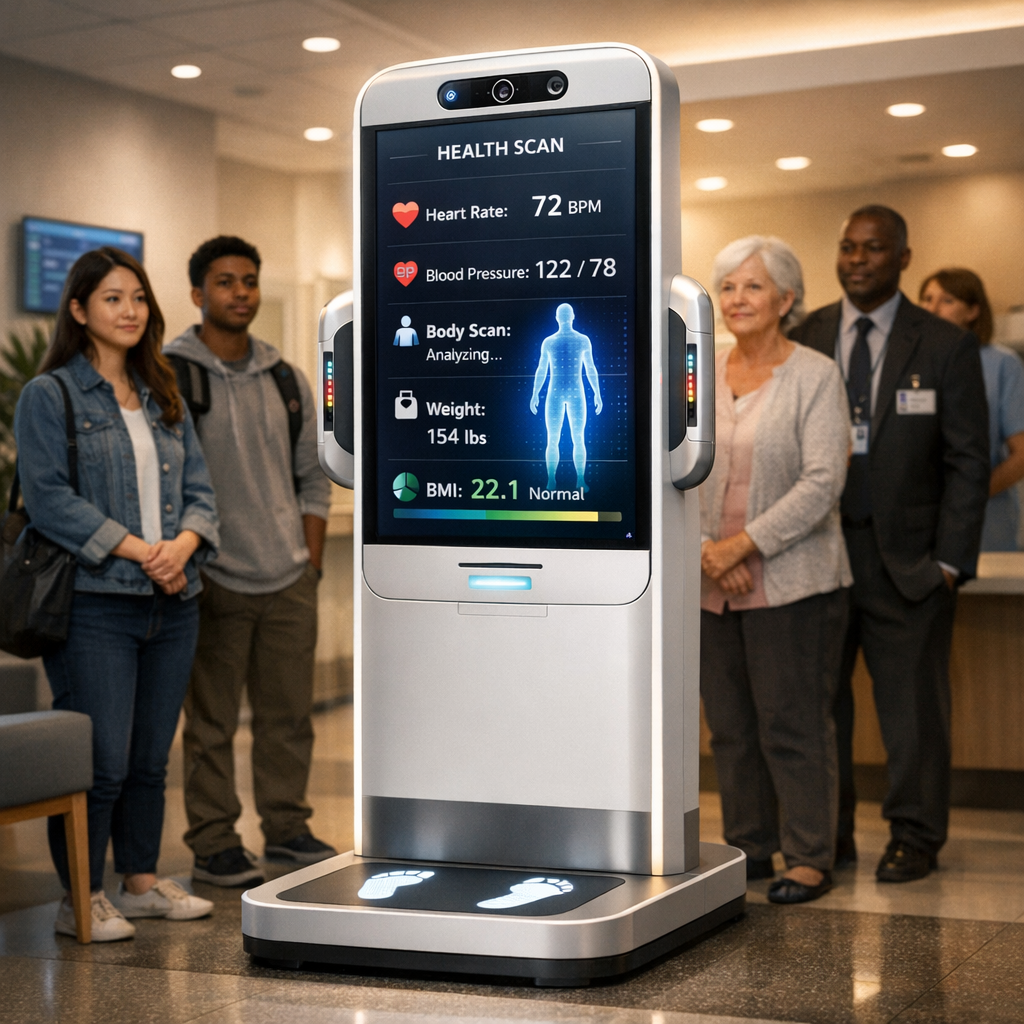
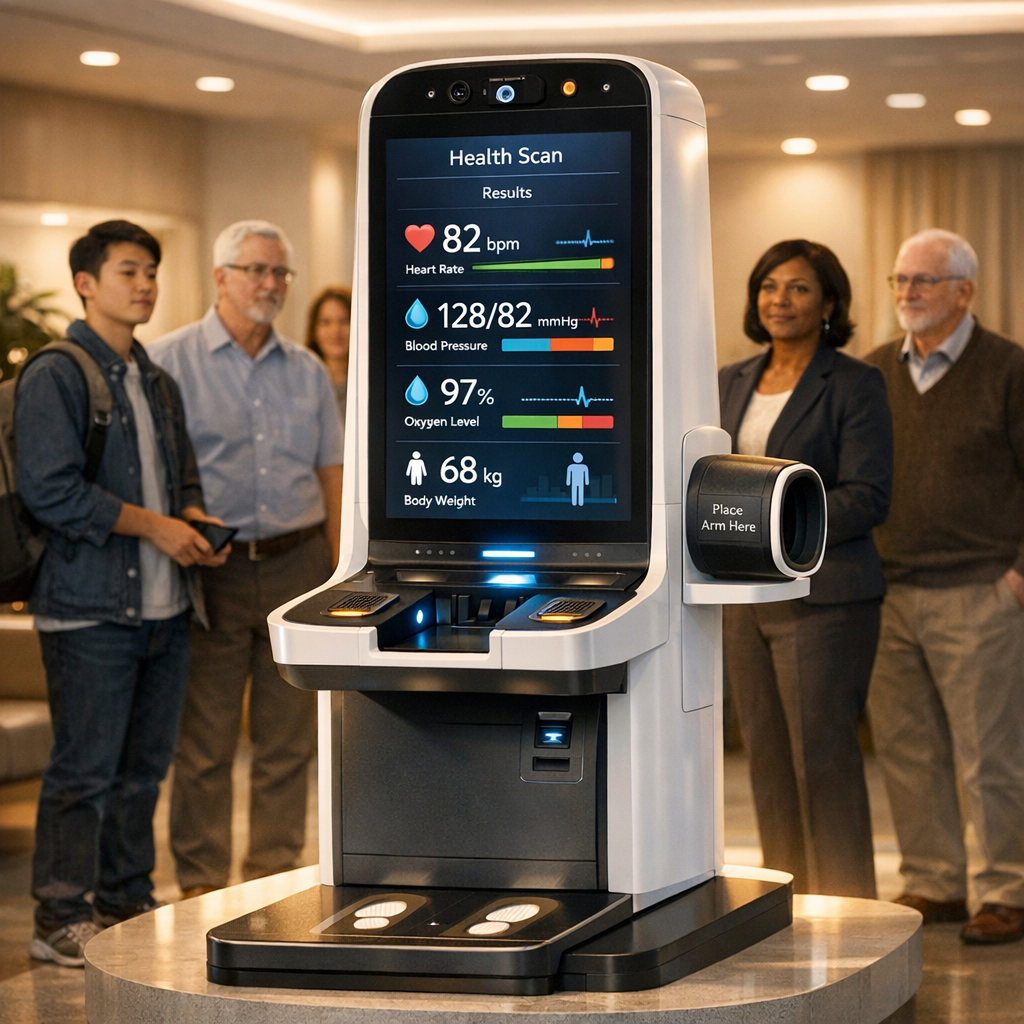
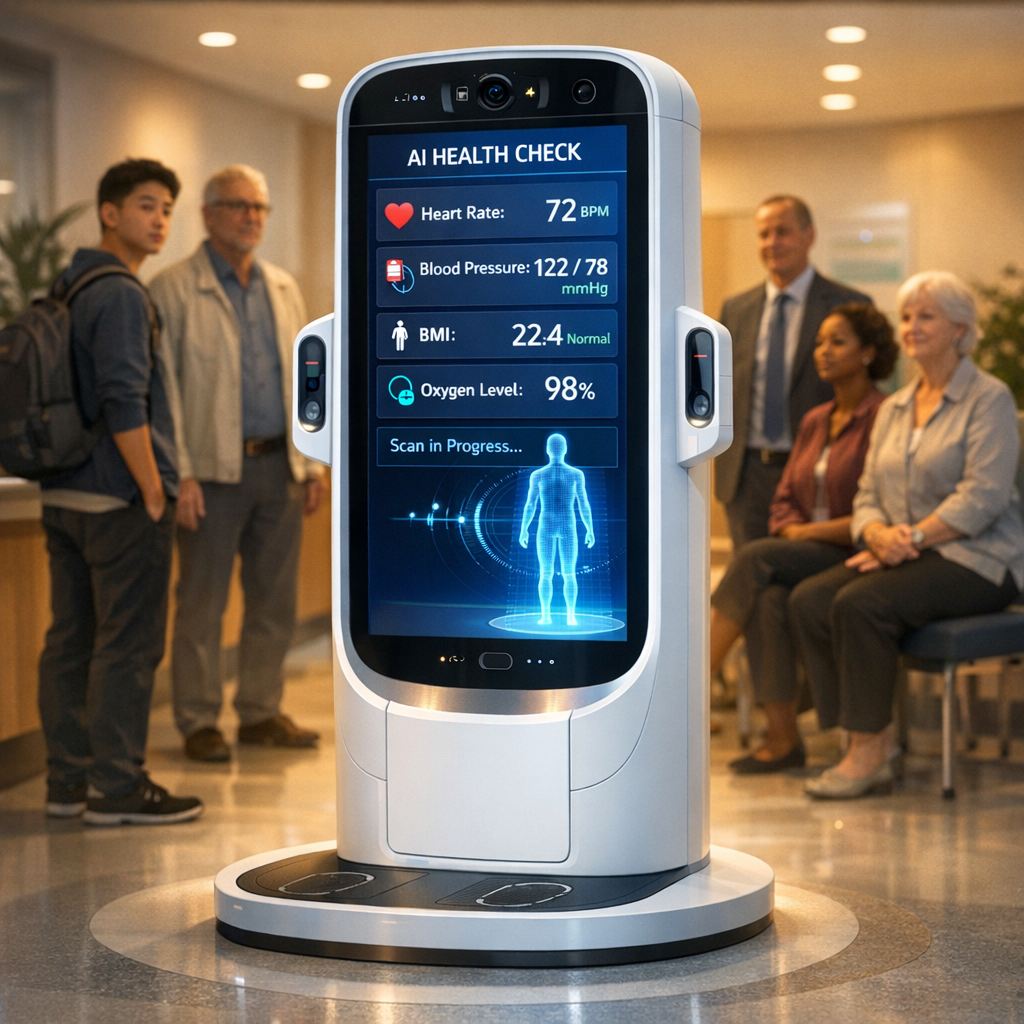
A kiosk that measures blood pressure, BMI, and eyesight in 3 minutes
Why Narrow
This describes the product, not the underlying customer problem or why anyone cares enough to buy or use it
Reframed
A recurring preventive-screening problem where buyers need a scalable way to get people checked quickly, trust the results, and turn one-time curiosity into repeated use
New Solution Space
Distributed screening networkPreventive-care access layerTrust-first health verificationLocation-based health discoveryRepeat screening membership
Converge
Best Problem
Scaling trusted, low-friction preventive screening across public-facing locations without creating operational drag or weak buyer economics
Best Customer
Hospitals and private clinics, with pharmacies as host partners and patients as end users
Problem PitchWe are working to solve the problem of scaling trusted, low-friction preventive screening across public-facing locations for hospitals and private clinics, who struggle with low follow-through, trust delays, and weak payback, because buyers now want earlier detection and easier access without adding staff.
New Solution Space
Distributed screening networkPreventive-care access layerTrust-first health verificationLocation-based health discoveryRepeat screening membership
Solution
Zwicky
Inverted
Do not sell the kiosk first; sell the recurring screening program and include the kiosk only as the delivery tool.
Analogy
Retail photo kiosks: fixed placement, instant output, local discovery, and high repeat use.
Rows
| Frame | Customer | Solution | Revenue |
|---|---|---|---|
| Hospital front desk | Hospitals | Kiosk placed at registration for fast screening | One-time sale plus service contract |
| Clinic repeat visits | Private clinics | Kiosk for free basic check and paid extended report | Usage-based fee per scan |
| School wellness | Schools and universities | Annual screening subscription for students and staff | Subscription |
| City screening network | Governments | Fleet of kiosks across public sites | Enterprise licensing |
| Pharmacy footfall | Pharmacies | Hosted kiosk with shared patient traffic | Marketplace commission |
| Patient tracking | Patients | Monthly health tracking with phone results | Freemium to paid upgrade |
| Health ads channel | Brands and insurers | Screen and report placements around screening moments | Advertising/data |
| Field uptime | All hosts | Install, maintenance, calibration, and replacement plan | Service/maintenance |
Non Obvious
- Use pharmacies as distribution points and as local trust anchors.
- Turn the basic check into the free hook and sell the report.
- Sell city deals as managed screening capacity, not devices.
Extreme
Silly
A kiosk in every elevator that checks you while you wait.
Serious
A portable screening unit that rotates through pharmacies, campuses, and government sites on a fixed schedule.
Solution Space
Faster Cheaper
Low-cost walk-up screening in 3 minutes with instant phone results
Experience
Free basic check, paid deeper report, and simple monthly tracking
Automation
Auto capture of readings, report generation, and result delivery
Marketplace
Pharmacy-hosted kiosks with revenue share to the host
Workflow
Embed screening into check-in, campus health days, and public service points
Education
Student wellness subscriptions for schools and universities
Infrastructure
Multi-site kiosk network with remote monitoring and calibration
Premium
Lease plus premium report and fleet support for enterprise buyers
Compliance
Pending patent, local medical review, and host-site operating rules
Sanity
| Q | A |
|---|---|
| Does it solve the initial problem for the target customer? | Yes, it gives fast screening and phone-delivered results for patients and a simple service to sell for hosts. |
| Is the ideal customer still ideal? | Yes, hospitals and private clinics remain best because they already have patient flow and can convert faster. |
| Is there problem-solution-customer alignment? | Yes, the kiosk fits places where people already wait and want a quick check without staff time. |
| Is this need-to-have or nice-to-have? | It is need-to-have when used for triage, baseline checks, and repeat tracking; otherwise it can be nice-to-have. |
| What assumptions must be true? | Users must trust the readings, hosts must allow placement, and enough users must upgrade from free to paid reports. |
| What evidence is missing? | Proof of repeat usage, host retention, unit economics by site, and conversion by customer segment. |
| What should be validated in interviews? | Who pays, when they pay, what makes them trust the result, and what would make them choose a kiosk over staff screening. |
| What would prove it wrong? | If hosts will not place it, users do not repeat, or paid upgrades stay too low to cover deployment and support. |
Converge
Best Solution
A pharmacy- and clinic-hosted screening kiosk that offers a free basic check and a paid report plus tracking
Best Customer
Private clinics and hospitals
Best Revenue
One-time kiosk sale or lease plus subscription and paid report upgrades
Solution PitchOur solution helps clinics and hospitals give patients fast screening and follow-up by turning a hosted kiosk into a free entry point and paid report engine, unlike manual front-desk checks.