Solution Reframing
CompletedProblem
**The 'Hair-on-Fire' Problem**
Early-adopter consumers operating globally in a hybrid mode with disposable income face persistent frustration due to incompatible smart-home devices and manual household tasks that remain unautomated. Bank signals indicate this demographic is investing heavily in connected ecosystems but experiencing cognitive dissonance from manual efforts, risking loyalty loss and erosion of market share in a highly competitive landscape.
**Persona Deep-Dive**
• Who they are: Tech-savvy, globally distributed early adopters aged 25–45, familiar with platforms like Alexa and Apple HomeKit, with disposable income and a passion for innovative gadgets.
• Functional needs: To seamlessly automate and integrate manual household chores into their existing smart-home ecosystem, creating a fully voice-controlled, unified environment.
• Emotional drivers: Desire for social status through owning cutting-edge technology, fear of falling behind in smart-home adoption, and a need to project a tech-savvy, lifestyle-optimized identity.
**Jobs-to-be-Done**
When I encounter routine household chores that still require manual effort within my automated home, I want to deploy a connected, smart-enabled device to handle those tasks, so I can enjoy a fully integrated ecosystem that reinforces my status as an early technology adopter.
**Cost of Inaction**
Failing to address this gap risks losing market share and brand loyalty among early adopters, leading to missed revenue opportunities and hindered ecosystem expansion. Quantitatively, this could mean significant revenue loss in a niche where each device’s value hinges on brand loyalty and network effects, especially as competitors capitalize on innovation.
**Market Viability Signal**
This offering functions as a vitamin rather than a painkiller, evidenced by the projected transaction size under $10, which is insufficient to cover manufacturing costs. The absence of a clear revenue model, minimal defensibility, and high capital requirements for hardware scaling indicate it addresses a low-urgency, low-willingness-to-pay need rather than an urgent, critical problem.
Solution
**Strategic Solution Thesis**
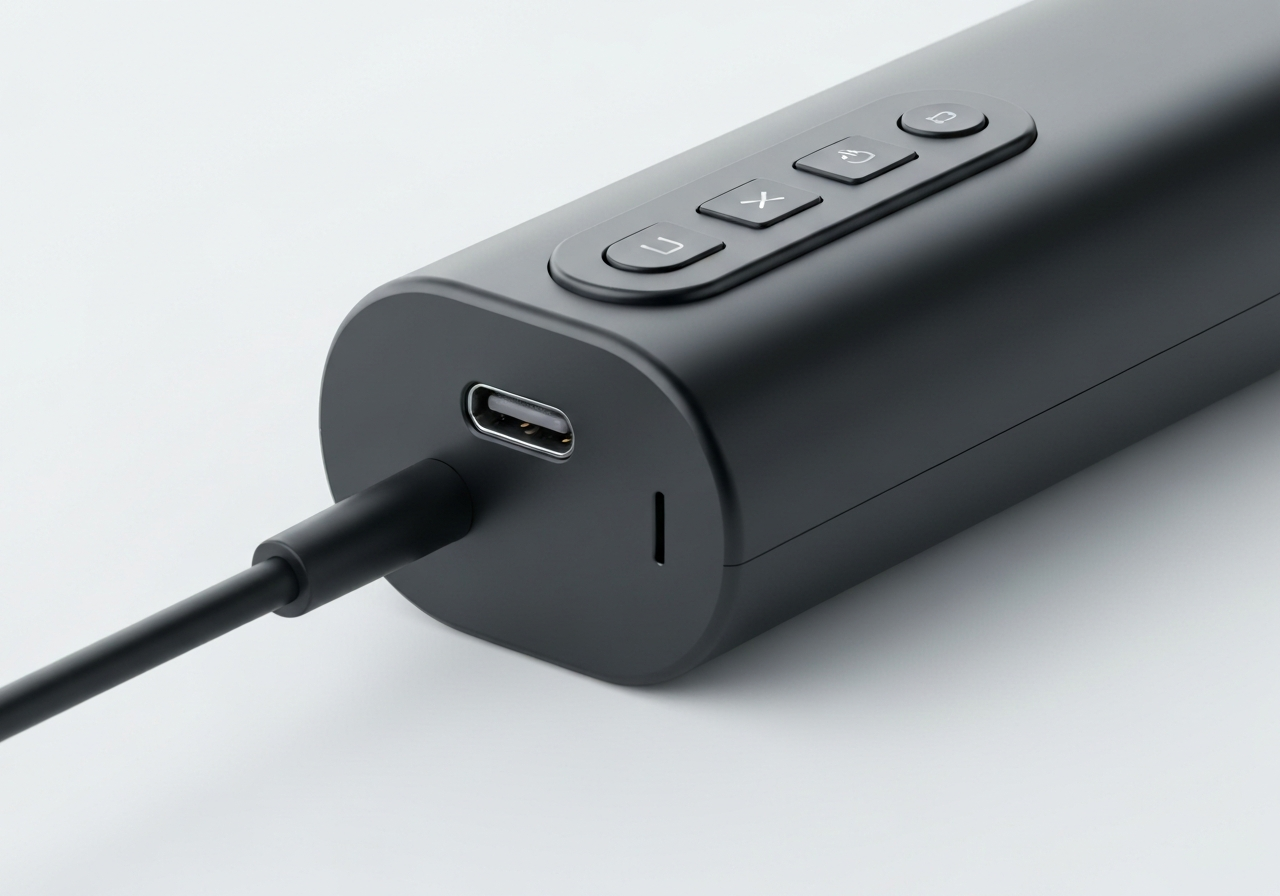
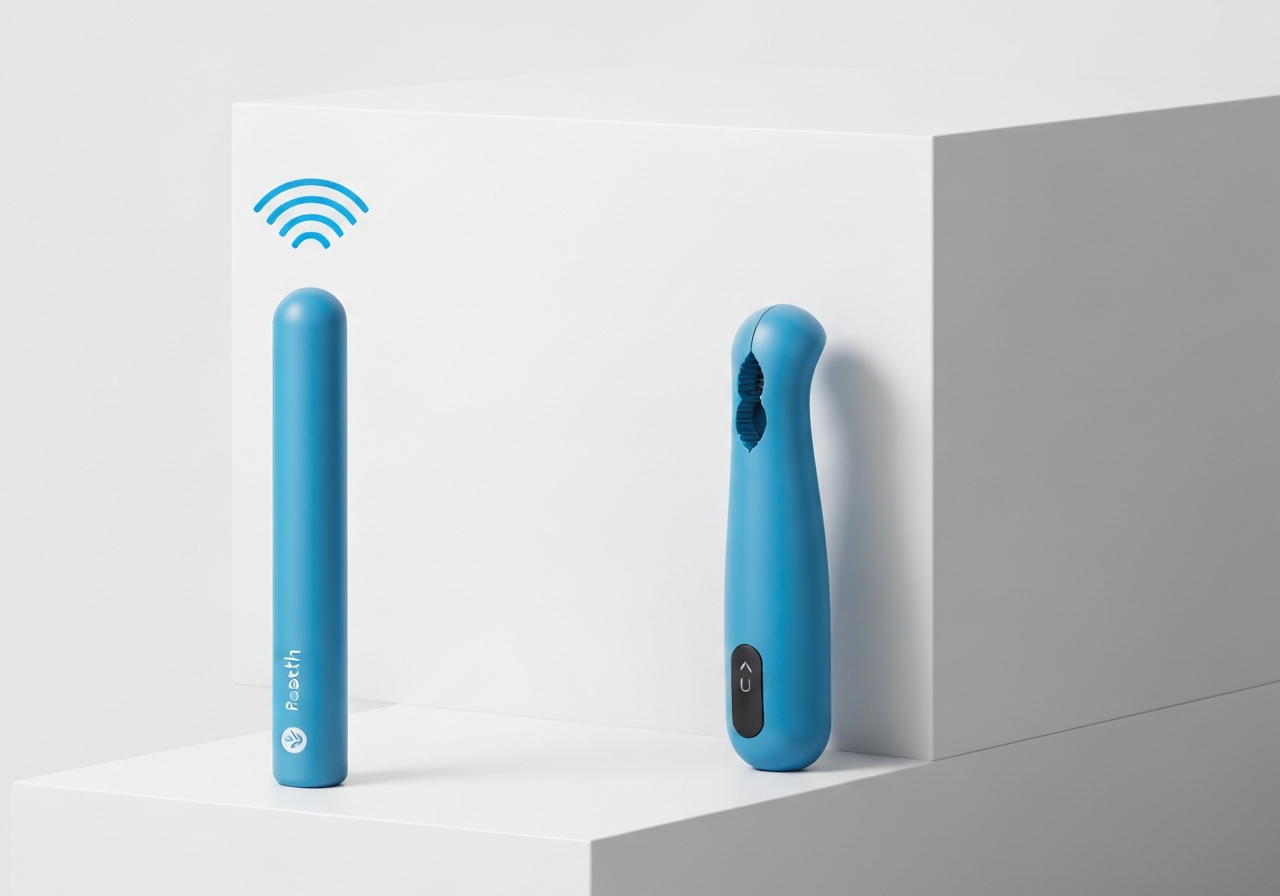
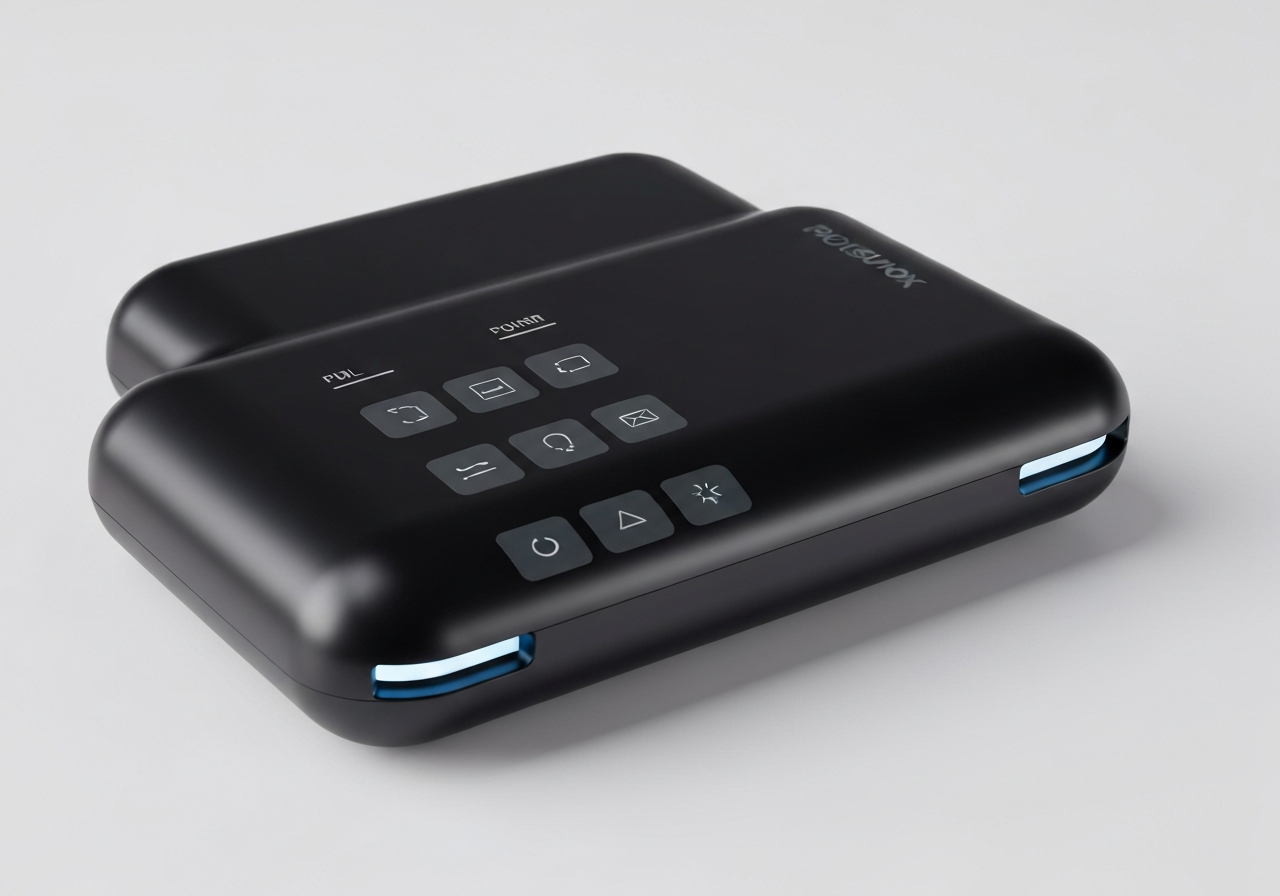
The project involves designing a sleek, Bluetooth-enabled smart device targeted at tech-savvy early adopters worldwide. By focusing on lifestyle benefits and leveraging crowdfunding to validate demand, this approach minimizes manufacturing risks and builds initial brand loyalty before scaling, positioning the product as a premium smart-home accessory rather than a mass-market commodity.
**The Moat (Defensibility)**
Protection relies on securing design and utility patents covering the device’s unique aesthetic and mechanical features. Building strong relationships with specialized suppliers or developing proprietary tooling will be essential due to the manufacturing-heavy nature and solo team setup. Establishing these IP assets and exclusive supply agreements will create switching costs, discourage low-cost clones, and foster customer loyalty, forming a defensible niche in the connected device market.
**Go-To-Market Angle**
Launching a targeted crowdfunding campaign on platforms like Kickstarter or Indiegogo focused on early tech enthusiasts and lifestyle-conscious consumers worldwide is the most direct route. Crafting compelling narratives around lifestyle enhancement and smart ecosystem integration will attract initial backers. Post-campaign, growth can expand through social media influencers, tech community outreach, and strategic media coverage, with retail partnerships considered once demand and brand recognition are established.
**Friction Points**
First, the projected transaction size under $10 is insufficient to cover manufacturing costs, requiring validation of a higher retail price ($39–$79). Second, the manufacturing process involves complex supply chains, tooling, and quality control, presenting challenges for a solo founder without external funding. Overcoming these bottlenecks depends on extensive prototyping, supply chain development, and external manufacturing expertise to ensure quality and scalability before full market launch.
**Scalability Signal**
This solution primarily depends on physical unit sales, which are capital-intensive due to tooling and logistics. Growth relies on operational capacity and external funding rather than software or network effects. Without additional capital, the model remains constrained by manufacturing capacity, making hardware production the main driver of scaling rather than software marginal costs.
Full record (inputs + outputs)
════════════════════════════════════════════════════════════
  SOLUTION REFRAMING
════════════════════════════════════════════════════════════

──────────────────────────  AI OUTPUTS  ──────────────────────────

▸ Problem Reframing Result
**The 'Hair-on-Fire' Problem**
Early-adopter consumers operating globally in a hybrid mode with disposable income face persistent frustration due to incompatible smart-home devices and manual household tasks that remain unautomated. Bank signals indicate this demographic is investing heavily in connected ecosystems but experiencing cognitive dissonance from manual efforts, risking loyalty loss and erosion of market share in a highly competitive landscape.

**Persona Deep-Dive**
• Who they are: Tech-savvy, globally distributed early adopters aged 25–45, familiar with platforms like Alexa and Apple HomeKit, with disposable income and a passion for innovative gadgets.
• Functional needs: To seamlessly automate and integrate manual household chores into their existing smart-home ecosystem, creating a fully voice-controlled, unified environment.
• Emotional drivers: Desire for social status through owning cutting-edge technology, fear of falling behind in smart-home adoption, and a need to project a tech-savvy, lifestyle-optimized identity.

**Jobs-to-be-Done**
When I encounter routine household chores that still require manual effort within my automated home, I want to deploy a connected, smart-enabled device to handle those tasks, so I can enjoy a fully integrated ecosystem that reinforces my status as an early technology adopter.

**Cost of Inaction**
Failing to address this gap risks losing market share and brand loyalty among early adopters, leading to missed revenue opportunities and hindered ecosystem expansion. Quantitatively, this could mean significant revenue loss in a niche where each device’s value hinges on brand loyalty and network effects, especially as competitors capitalize on innovation.

**Market Viability Signal**
This offering functions as a vitamin rather than a painkiller, evidenced by the projected transaction size under $10, which is insufficient to cover manufacturing costs. The absence of a clear revenue model, minimal defensibility, and high capital requirements for hardware scaling indicate it addresses a low-urgency, low-willingness-to-pay need rather than an urgent, critical problem.

▸ Solution Reframing Result
**Strategic Solution Thesis**
The project involves designing a sleek, Bluetooth-enabled smart device targeted at tech-savvy early adopters worldwide. By focusing on lifestyle benefits and leveraging crowdfunding to validate demand, this approach minimizes manufacturing risks and builds initial brand loyalty before scaling, positioning the product as a premium smart-home accessory rather than a mass-market commodity.

**The Moat (Defensibility)**
Protection relies on securing design and utility patents covering the device’s unique aesthetic and mechanical features. Building strong relationships with specialized suppliers or developing proprietary tooling will be essential due to the manufacturing-heavy nature and solo team setup. Establishing these IP assets and exclusive supply agreements will create switching costs, discourage low-cost clones, and foster customer loyalty, forming a defensible niche in the connected device market.

**Go-To-Market Angle**
Launching a targeted crowdfunding campaign on platforms like Kickstarter or Indiegogo focused on early tech enthusiasts and lifestyle-conscious consumers worldwide is the most direct route. Crafting compelling narratives around lifestyle enhancement and smart ecosystem integration will attract initial backers. Post-campaign, growth can expand through social media influencers, tech community outreach, and strategic media coverage, with retail partnerships considered once demand and brand recognition are established.

**Friction Points**
First, the projected transaction size under $10 is insufficient to cover manufacturing costs, requiring validation of a higher retail price ($39–$79). Second, the manufacturing process involves complex supply chains, tooling, and quality control, presenting challenges for a solo founder without external funding. Overcoming these bottlenecks depends on extensive prototyping, supply chain development, and external manufacturing expertise to ensure quality and scalability before full market launch.

**Scalability Signal**
This solution primarily depends on physical unit sales, which are capital-intensive due to tooling and logistics. Growth relies on operational capacity and external funding rather than software or network effects. Without additional capital, the model remains constrained by manufacturing capacity, making hardware production the main driver of scaling rather than software marginal costs.
Competitor Analysis
CompletedDirect Competitors
Attack the niche of manual chore automation with a low-cost, stylish Bluetooth device; leverage crowdfunding to validate demand and build brand loyalty; initial success criteria include achieving pre-orders of 1000 units and securing IP protection within 90 days.
Market Gap
Lack of affordable, easy-to-integrate device targeting manual household chores for early adopters.
Competitors
Click and Grow
Smart indoor garden kits that automate plant care for consumers.
Product
6
Pricing
5
Marketing
6
User Experience
7
Customer Support
5
Innovation
4
Website
https://clickandgrow.com
Value Proposition
Automates plant care for urban dwellers seeking easy gardening solutions.
Threat Level
medium
Why Threat
Offers similar automation in home gardening, but limited in household chores automation.
Pricing
Model
one-time
Range
$50-$150
Level
4
Audience
Segments
HomeownersGarden enthusiasts
Marketing Channels
Online storeSocial mediaTech expos
Weaknesses
- Limited device functionality
- Focuses mainly on plant growth
- High price point for some segments
Key Features
Feature 1
true
Feature 2
false
Feature 3
true
Feature 4
false
Feature 5
false
Feature 6
false
Positioning
Price Level
4
Market Focus
3
Bruno Smart Home
Smart home devices for automating various household functions with voice control.
Product
7
Pricing
4
Marketing
7
User Experience
6
Customer Support
5
Innovation
6
Website
https://brunosmarthome.com
Value Proposition
Seamless integration of household automation for convenience and lifestyle enhancement.
Threat Level
medium
Why Threat
Provides household automation but not focused on manual household chores or non-smart devices.
Pricing
Model
subscription
Range
$20-$50/month
Level
7
Audience
Segments
Tech-savvy homeowners
Marketing Channels
Online adsInfluencer partnershipsTrade shows
Weaknesses
- High ongoing costs
- Complex setup for some users
- Limited to specific device ecosystems
Key Features
Feature 1
true
Feature 2
true
Feature 3
false
Feature 4
false
Feature 5
false
Feature 6
true
Positioning
Price Level
7
Market Focus
4
Eve Room
Environmental sensors and smart devices for indoor air quality and automation.
Product
6
Pricing
4
Marketing
5
User Experience
6
Customer Support
4
Innovation
5
Website
https://evemovement.com
Value Proposition
Provides real-time indoor environment data to optimize comfort and health.
Threat Level
low
Why Threat
Specialized environmental monitoring, but doesn't address manual household chores.
Pricing
Model
one-time
Range
$100-$200
Level
6
Audience
Segments
Health-conscious consumers
Marketing Channels
Content marketingSmart home integrationsTech blogs
Weaknesses
- Niche focus
- Limited automation capabilities
- High price for basic features
Key Features
Feature 1
true
Feature 2
false
Feature 3
true
Feature 4
false
Feature 5
false
Feature 6
false
Positioning
Price Level
6
Market Focus
3
iSmartAlarm
Wireless security and automation systems for homes.
Product
7
Pricing
6
Marketing
6
User Experience
6
Customer Support
5
Innovation
5
Website
https://ismartalarm.com
Value Proposition
Affordable, flexible home security with automation features.
Threat Level
medium
Why Threat
Mainly security-focused, less relevant for manual household chores automation.
Pricing
Model
one-time
Range
$150-$300
Level
8
Audience
Segments
Homeowners
Marketing Channels
Digital marketingHome security exposRetail partnerships
Weaknesses
- Limited household chores automation
- Focus on security
- Complex setup
Key Features
Feature 1
true
Feature 2
true
Feature 3
false
Feature 4
false
Feature 5
false
Feature 6
true
Positioning
Price Level
8
Market Focus
4
Samsung SmartThings
Comprehensive smart home platform integrating various devices and automations.
Product
8
Pricing
5
Marketing
7
User Experience
6
Customer Support
6
Innovation
7
Website
https://smartthings.com
Value Proposition
Unified platform for controlling and automating a wide range of home devices.
Threat Level
high
Why Threat
Offers broad automation, but not tailored for manual household chores or simple device interaction.
Pricing
Model
subscription
Range
varies
Level
8
Audience
Segments
Smart home enthusiasts
Marketing Channels
Online marketingRetail channelsPartnerships
Weaknesses
- Complex system setup
- High dependency on compatible devices
- Expensive for complete setup
Key Features
Feature 1
true
Feature 2
true
Feature 3
true
Feature 4
true
Feature 5
false
Feature 6
true
Positioning
Price Level
8
Market Focus
7
Kohler Konnect
Smart bathroom fixtures and connected home appliances.
Product
7
Pricing
4
Marketing
4
User Experience
6
Customer Support
4
Innovation
6
Website
https://kohler.com
Value Proposition
Luxury connected fixtures that enhance bathroom automation and experience.
Threat Level
low
Why Threat
Niche luxury market, not competing directly on manual household chores automation.
Pricing
Model
one-time
Range
$200-$500
Level
9
Audience
Segments
Luxury homeowners
Marketing Channels
Luxury retailOnline advertisingHome design expos
Weaknesses
- High price
- Limited to specific fixtures
- Niche market
Key Features
Feature 1
true
Feature 2
false
Feature 3
false
Feature 4
false
Feature 5
false
Feature 6
false
Positioning
Price Level
9
Market Focus
2
Your Startup
Suggested Scores
Product
5
Pricing
4
Marketing
6
User Experience
5
Customer Support
3
Innovation
7
Suggested Features
Feature 1
true
Feature 2
false
Feature 3
false
Feature 4
false
Feature 5
false
Feature 6
false
Suggested Positioning
Price Level
3
Market Focus
2
Positioning Axes
X Label
Market Focus
X Low
Consumer
X High
Enterprise
Y Label
Price Level
Y Low
Low Cost
Y High
Premium
Unified Features List
- manual chore automation
- voice control
- smart device connectivity
- remote control
- integration with existing ecosystems
- user-friendly interface
- scalable hardware
- lifestyle enhancement
Indirect Competitors
Most likely migration trigger is demonstrating seamless integration with existing ecosystems; a targeted demo campaign showing effortless automation.
Market Gap
Lack of affordable, easy-to-integrate smart devices that handle manual chores for early adopters.
Competitors
Samsung SmartThings
A comprehensive platform for smart home automation and device control.
Product
8
Pricing
6
Marketing
7
User Experience
6
Customer Support
6
Innovation
7
Website
https://www.smartthings.com
Value Proposition
Centralized control and automation for diverse smart devices.
Threat Level
medium
Why Threat
Existing ecosystem with extensive device compatibility and brand loyalty.
Pricing
Model
subscription
Range
$10-$50/month
Level
6
Audience
Segments
tech-savvy homeownersearly adopters
Marketing Channels
online adstech influencerssocial media
Weaknesses
- Complex setup
- Limited customization
- High dependency on proprietary ecosystem
Key Features
Feature 1
true
Feature 2
true
Positioning
Price Level
6
Market Focus
8
Wyze
Affordable smart home devices with simple app control.
Product
7
Pricing
9
Marketing
5
User Experience
6
Customer Support
4
Innovation
5
Website
https://wyze.com
Value Proposition
Cost-effective smart home gadgets with easy setup.
Threat Level
low
Why Threat
Focus on affordability and basic features, not full ecosystem integration.
Pricing
Model
one-time
Range
$20-$50
Level
3
Audience
Segments
budget-conscious consumers
Marketing Channels
social mediadirect-to-consumer salesonline marketplaces
Weaknesses
- Limited integration options
- Basic feature set
- Less brand recognition
Key Features
Feature 1
true
Feature 2
false
Positioning
Price Level
2
Market Focus
4
Xiaomi Mi Smart Home
Smart home solutions combining affordability and broad device selection.
Product
6
Pricing
8
Marketing
6
User Experience
5
Customer Support
4
Innovation
6
Website
https://www.mi.com
Value Proposition
Diverse smart home devices with unified app control.
Threat Level
medium
Why Threat
Large product ecosystem with affordability, but limited seamless integration.
Pricing
Model
freemium
Range
$30-$80
Level
4
Audience
Segments
tech enthusiastsbudget-conscious
Marketing Channels
online marketingretail storespartnerships
Weaknesses
- Fragmented ecosystem
- Quality inconsistency
- Limited customer support
Key Features
Feature 1
true
Feature 2
true
Positioning
Price Level
5
Market Focus
6
Amazon Echo & Alexa
Voice-controlled smart home hub with extensive ecosystem.
Product
9
Pricing
5
Marketing
8
User Experience
7
Customer Support
7
Innovation
8
Website
https://www.amazon.com
Value Proposition
Hands-free control and voice automation for smart home devices.
Threat Level
high
Why Threat
Massive ecosystem and brand loyalty, difficult to supersede without unique features.
Pricing
Model
subscription
Range
$50-$200
Level
8
Audience
Segments
tech enthusiastssmart home users
Marketing Channels
digital advertisingretail partnershipsword of mouth
Weaknesses
- Privacy concerns
- Requires compatible devices
- Limited customization
Key Features
Feature 1
true
Feature 2
true
Positioning
Price Level
7
Market Focus
9
Philips Hue
Smart lighting system with app and voice control.
Product
8
Pricing
6
Marketing
6
User Experience
7
Customer Support
6
Innovation
7
Website
https://www.philips-hue.com
Value Proposition
Customizable, ambient lighting controlled remotely or via voice.
Threat Level
medium
Why Threat
Strong brand and ecosystem, but limited to specific device category.
Pricing
Model
one-time
Range
$50-$200
Level
7
Audience
Segments
homeownersinterior decorators
Marketing Channels
retail storesonline marketingpartnerships
Weaknesses
- Limited to lighting
- High initial cost
- Requires hub
Key Features
Feature 1
true
Feature 2
false
Positioning
Price Level
6
Market Focus
7
Nest Thermostat
Smart thermostat for energy-efficient home climate control.
Product
8
Pricing
7
Marketing
6
User Experience
8
Customer Support
5
Innovation
7
Website
https://store.google.com/product/nest_thermostat
Value Proposition
Automated temperature control to save energy and enhance comfort.
Threat Level
medium
Why Threat
Strong brand with integrated smart home ecosystem, but limited device diversity.
Pricing
Model
one-time
Range
$150-$250
Level
7
Audience
Segments
homeownerseco-conscious consumers
Marketing Channels
online adsretailsmart home integrations
Weaknesses
- Focus on climate control only
- Requires professional installation
Key Features
Feature 1
true
Feature 2
false
Positioning
Price Level
7
Market Focus
7
IKEA Symfonisk
Affordable smart speakers and lamps with HomeKit and Wi-Fi control.
Product
6
Pricing
8
Marketing
7
User Experience
5
Customer Support
4
Innovation
4
Website
https://www.ikea.com
Value Proposition
Affordable, stylish smart speakers and lighting for casual users.
Threat Level
low
Why Threat
Budget-focused, less ecosystem integration, targeting casual users.
Pricing
Model
one-time
Range
$50-$150
Level
4
Audience
Segments
budget-conscious consumers
Marketing Channels
retail storesonline marketingmass-market channels
Weaknesses
- Limited compatibility
- Basic features
- Limited automation
Key Features
Feature 1
true
Feature 2
false
Positioning
Price Level
3
Market Focus
5
Your Startup
Suggested Scores
Product
4
Pricing
3
Marketing
4
User Experience
3
Customer Support
2
Innovation
5
Suggested Features
Suggested Positioning
Price Level
2
Market Focus
3
Positioning Axes
X Label
Market Focus
X Low
Consumer
X High
Enterprise
Y Label
Price Level
Y Low
Low Cost
Y High
Premium
Unified Features List
Device compatibilityVoice controlAutomationRemote accessEasy setupMobile appEnergy efficiencyDevice customization
Full record (inputs + outputs)
════════════════════════════════════════════════════════════
  COMPETITOR ANALYSIS
════════════════════════════════════════════════════════════

──────────────────────────  AI OUTPUTS  ──────────────────────────

▸ AI Result (set 1)
Analysis Type: direct
Competitors:
   • Name: Click and Grow
      Website: https://clickandgrow.com
      One Liner: Smart indoor garden kits that automate plant care for consumers.
      Pricing:
         Model: one-time
         Range: $50-$150
         Level: 4
      Audience:
         Type: B2C
         Segments:
            • Homeowners
            • Garden enthusiasts
         Geo: global
      Marketing Channels:
         • Online store
         • Social media
         • Tech expos
      Value Proposition: Automates plant care for urban dwellers seeking easy gardening solutions.
      Weaknesses:
         • Limited device functionality
         • Focuses mainly on plant growth
         • High price point for some segments
      Scores:
         Product: 6
         Pricing: 5
         Marketing: 6
         User Experience: 7
         Customer Support: 5
         Innovation: 4
      Key Features:
         Feature 1: true
         Feature 2: false
         Feature 3: true
         Feature 4: false
         Feature 5: false
         Feature 6: false
      Positioning:
         Price Level: 4
         Market Focus: 3
      Threat Level: medium
      Why Threat: Offers similar automation in home gardening, but limited in household chores automation.
   • Name: Bruno Smart Home
      Website: https://brunosmarthome.com
      One Liner: Smart home devices for automating various household functions with voice control.
      Pricing:
         Model: subscription
         Range: $20-$50/month
         Level: 7
      Audience:
         Type: B2C
         Segments:
            • Tech-savvy homeowners
         Geo: global
      Marketing Channels:
         • Online ads
         • Influencer partnerships
         • Trade shows
      Value Proposition: Seamless integration of household automation for convenience and lifestyle enhancement.
      Weaknesses:
         • High ongoing costs
         • Complex setup for some users
         • Limited to specific device ecosystems
      Scores:
         Product: 7
         Pricing: 4
         Marketing: 7
         User Experience: 6
         Customer Support: 5
         Innovation: 6
      Key Features:
         Feature 1: true
         Feature 2: true
         Feature 3: false
         Feature 4: false
         Feature 5: false
         Feature 6: true
      Positioning:
         Price Level: 7
         Market Focus: 4
      Threat Level: medium
      Why Threat: Provides household automation but not focused on manual household chores or non-smart devices.
   • Name: Eve Room
      Website: https://evemovement.com
      One Liner: Environmental sensors and smart devices for indoor air quality and automation.
      Pricing:
         Model: one-time
         Range: $100-$200
         Level: 6
      Audience:
         Type: B2C
         Segments:
            • Health-conscious consumers
         Geo: global
      Marketing Channels:
         • Content marketing
         • Smart home integrations
         • Tech blogs
      Value Proposition: Provides real-time indoor environment data to optimize comfort and health.
      Weaknesses:
         • Niche focus
         • Limited automation capabilities
         • High price for basic features
      Scores:
         Product: 6
         Pricing: 4
         Marketing: 5
         User Experience: 6
         Customer Support: 4
         Innovation: 5
      Key Features:
         Feature 1: true
         Feature 2: false
         Feature 3: true
         Feature 4: false
         Feature 5: false
         Feature 6: false
      Positioning:
         Price Level: 6
         Market Focus: 3
      Threat Level: low
      Why Threat: Specialized environmental monitoring, but doesn't address manual household chores.
   • Name: iSmartAlarm
      Website: https://ismartalarm.com
      One Liner: Wireless security and automation systems for homes.
      Pricing:
         Model: one-time
         Range: $150-$300
         Level: 8
      Audience:
         Type: B2
…[truncated to fit export]

▸ AI Result (set 2)
Analysis Type: indirect
Competitors:
   • Name: Samsung SmartThings
      Website: https://www.smartthings.com
      One Liner: A comprehensive platform for smart home automation and device control.
      Pricing:
         Model: subscription
         Range: $10-$50/month
         Level: 6
      Audience:
         Type: B2C
         Segments:
            • tech-savvy homeowners
            • early adopters
         Geo: global
      Marketing Channels:
         • online ads
         • tech influencers
         • social media
      Value Proposition: Centralized control and automation for diverse smart devices.
      Weaknesses:
         • Complex setup
         • Limited customization
         • High dependency on proprietary ecosystem
      Scores:
         Product: 8
         Pricing: 6
         Marketing: 7
         User Experience: 6
         Customer Support: 6
         Innovation: 7
      Key Features:
         Feature 1: true
         Feature 2: true
      Positioning:
         Price Level: 6
         Market Focus: 8
      Threat Level: medium
      Why Threat: Existing ecosystem with extensive device compatibility and brand loyalty.
   • Name: Wyze
      Website: https://wyze.com
      One Liner: Affordable smart home devices with simple app control.
      Pricing:
         Model: one-time
         Range: $20-$50
         Level: 3
      Audience:
         Type: B2C
         Segments:
            • budget-conscious consumers
         Geo: global
      Marketing Channels:
         • social media
         • direct-to-consumer sales
         • online marketplaces
      Value Proposition: Cost-effective smart home gadgets with easy setup.
      Weaknesses:
         • Limited integration options
         • Basic feature set
         • Less brand recognition
      Scores:
         Product: 7
         Pricing: 9
         Marketing: 5
         User Experience: 6
         Customer Support: 4
         Innovation: 5
      Key Features:
         Feature 1: true
         Feature 2: false
      Positioning:
         Price Level: 2
         Market Focus: 4
      Threat Level: low
      Why Threat: Focus on affordability and basic features, not full ecosystem integration.
   • Name: Xiaomi Mi Smart Home
      Website: https://www.mi.com
      One Liner: Smart home solutions combining affordability and broad device selection.
      Pricing:
         Model: freemium
         Range: $30-$80
         Level: 4
      Audience:
         Type: B2C
         Segments:
            • tech enthusiasts
            • budget-conscious
         Geo: global
      Marketing Channels:
         • online marketing
         • retail stores
         • partnerships
      Value Proposition: Diverse smart home devices with unified app control.
      Weaknesses:
         • Fragmented ecosystem
         • Quality inconsistency
         • Limited customer support
      Scores:
         Product: 6
         Pricing: 8
         Marketing: 6
         User Experience: 5
         Customer Support: 4
         Innovation: 6
      Key Features:
         Feature 1: true
         Feature 2: true
      Positioning:
         Price Level: 5
         Market Focus: 6
      Threat Level: medium
      Why Threat: Large product ecosystem with affordability, but limited seamless integration.
   • Name: Amazon Echo & Alexa
      Website: https://www.amazon.com
      One Liner: Voice-controlled smart home hub with extensive ecosystem.
      Pricing:
         Model: subscription
         Range: $50-$200
         Level: 8
      Audience:
         Type: B2C
         Segments:
            • tech enthusiasts
            • smart home users
         Geo: global
      Marketing Channels:
         • digital advertising
…[export truncated to fit]