Solution Reframing
CompletedProblem
Frames
Functional
Statement
People like home plant owners struggle to know when to water because soil dryness is hidden, which causes missed watering and plant stress.
Who
Home plant owners
From
Guessing or checking soil by hand
How Badly
Frequently, with visible plant decline
Why Now
Indoor plants are common, but care routines are inconsistent
Workaround
Finger test, calendar reminders
Hidden Pain
The plant looks fine until damage is already underway
Opens
Early warning for watering
Closes
Uncertainty about timing
Total
24
Emotional
Statement
People like casual plant owners struggle to feel confident about plant care because they fear killing the plant, which causes guilt and frustration.
Who
Casual plant owners
From
Anxiety about making the wrong watering choice
How Badly
Moderately, especially after a plant dies
Why Now
Plant ownership is often aspirational, not learned
Workaround
Overwatering to avoid drying out
Hidden Pain
Loss feels personal, not just practical
Opens
Confidence and reassurance
Closes
Fear and second-guessing
Total
22
Solution
Zwicky
Inverted
Give the hardware away and charge only for replacement parts, add-ons, and care services.
Analogy
Pet care collars: simple sensing plus escalating alerts to prevent missed care.
Rows
| Frame | Customer | Solution | Revenue |
|---|---|---|---|
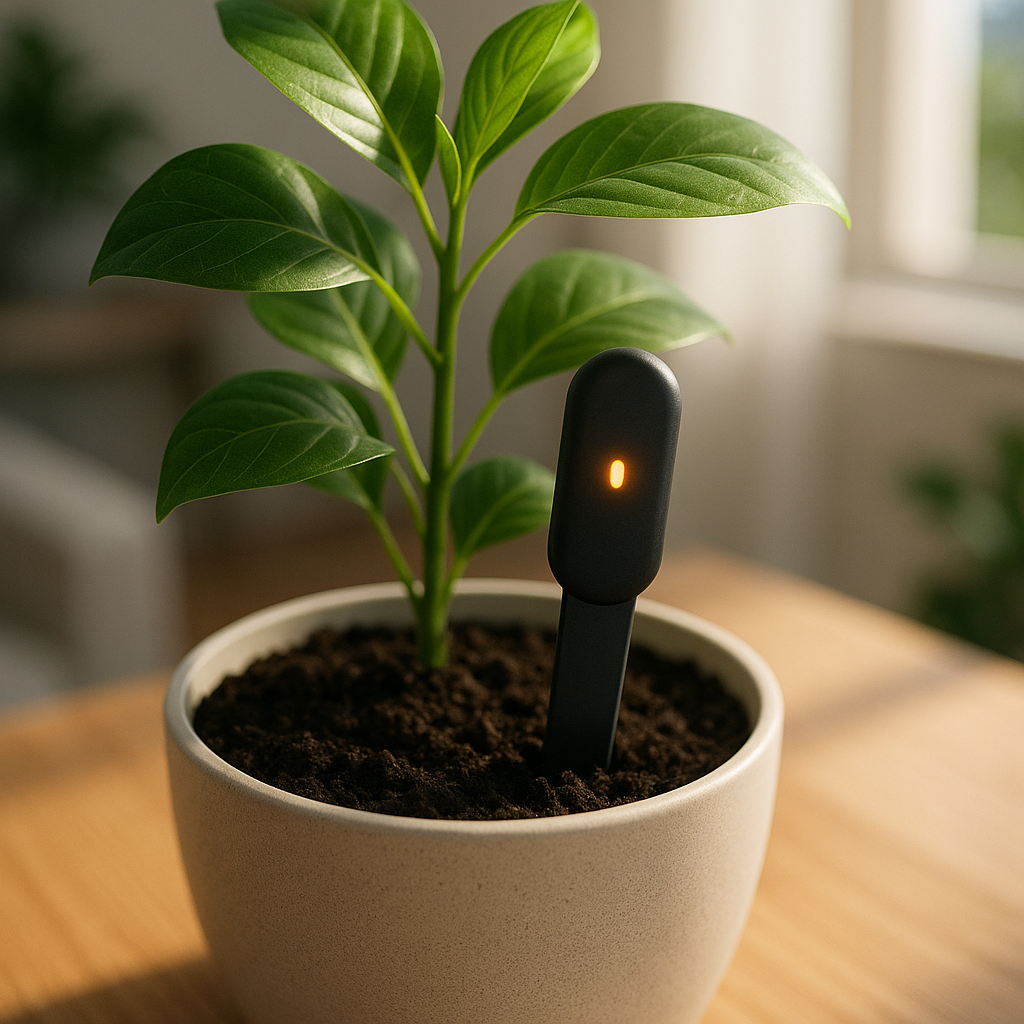
| Home plant owners | Casual plant owners | A soil probe sends a light or phone alert when water is needed | one_time |
| Apartment renters with many small plants | Urban renters | A multi-plant reminder app with one hub and per-plant alerts | subscription |
Non Obvious
- Sell a low-cost sensor but charge for replacement probes and battery swaps.
- Bundle the sensor with a plant-care reminder service for renters who forget watering.
- Use plant-care data to sell anonymized trend reports to garden retailers.
Extreme
Silly
A plant that yells the owner’s name until it gets watered.
Serious
A loud, configurable alert device that escalates from light to sound to phone notice.